
Dr. Babasaheb Ambedkar
Marathwada University
Marathwada University
Maulana Azad College of Arts, Science & Commerce
Aurangabad
Aurangabad
·
1918 - 1988 ◆ American Physicist ◆ Nobel Laureate

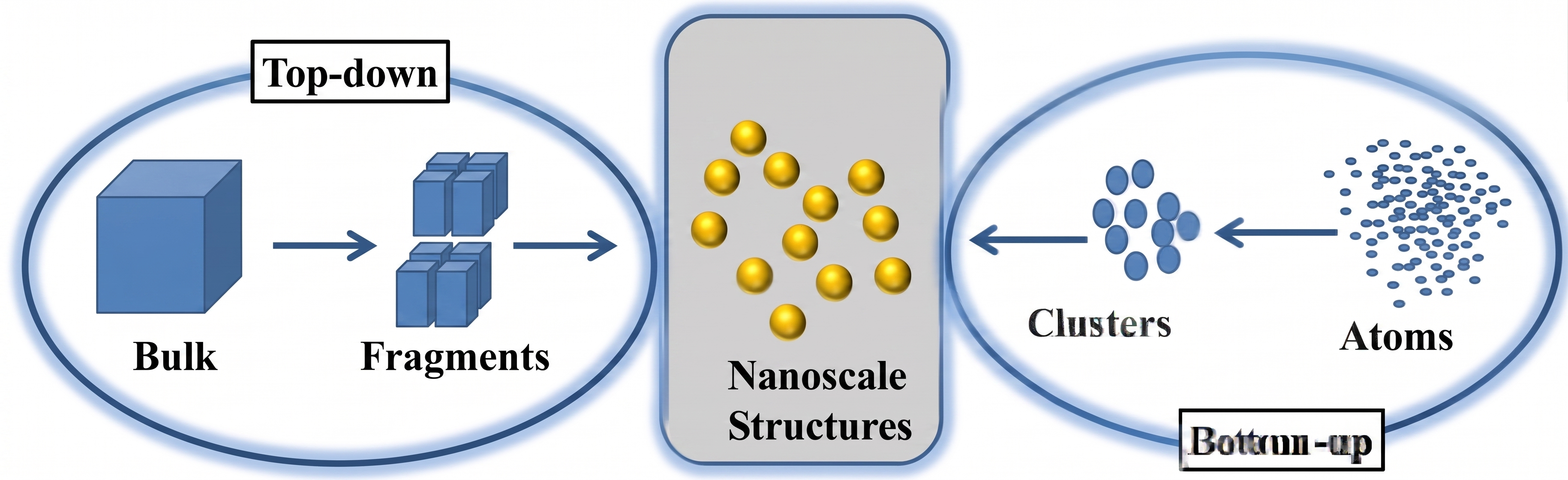
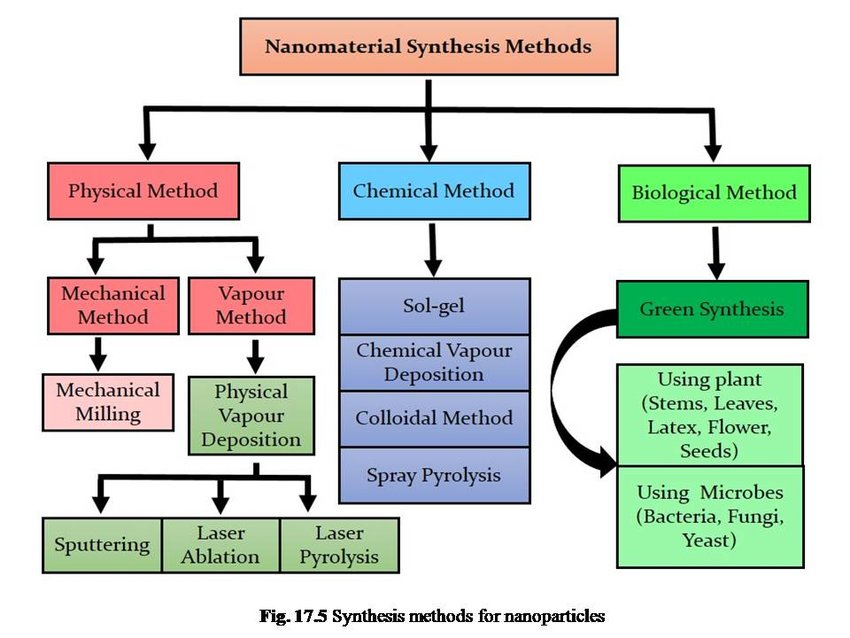
After Feynman opened this new field, two approaches emerged for synthesizing nanostructures - differing in quality, speed and cost.
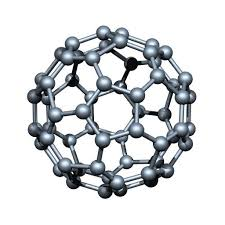
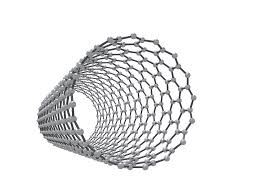
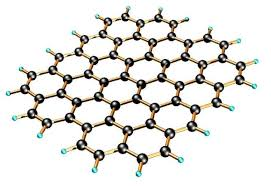
From C60 bulkyballs (1985) → carbon nanotubes (1991) → graphene & C-dots (2004) - carbon-based materials became the backbone of every field of science and engineering.
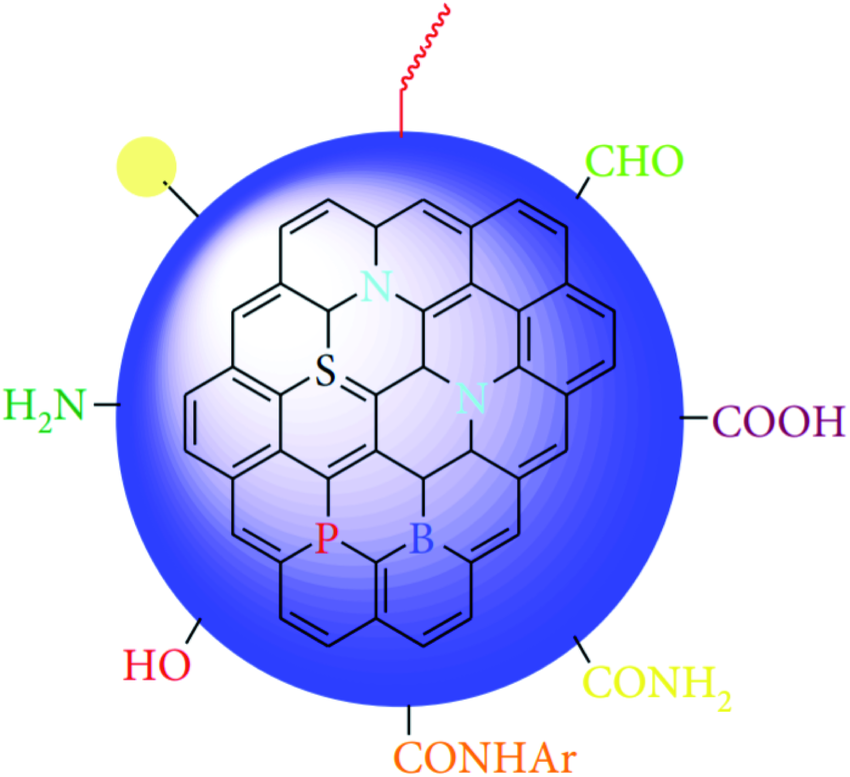
C-dots - benign, abundant, inexpensive, low-toxicity, bio-compatible - power bio-imaging, biosensors, drug delivery, catalysis, energy conversion, photocatalysis and sensitive ion detection.